Understanding Insurance in the USA: A Comprehensive Guide
Insurance is a crucial component of financial planning and risk management in the United States. It provides individuals and businesses with a safety net against unexpected events and financial losses. This article delves into the various types of insurance available in the USA, their importance, and key considerations for choosing the right policies
.
Types of Insurance
Health Insurance
Health insurance covers medical expenses incurred due to illnesses, injuries, or other health conditions. It can be obtained through employers, government programs like Medicare and Medicaid, or purchased individually. Health insurance plans vary widely in terms of coverage, premiums, deductibles, and out-of-pocket costs.
Auto Insurance
Auto insurance is mandatory in most states and provides coverage for damages and liabilities resulting from car accidents. Policies typically include liability coverage, collision coverage, comprehensive coverage, and uninsured/underinsured motorist coverage. The cost of auto insurance depends on factors like the driver's age, driving history, and the type of vehicle.
Homeowners Insurance
Homeowners insurance protects against damages to a home and its contents due to events like fire, theft, or natural disasters. It also provides liability coverage for accidents that occur on the property. Mortgage lenders usually require homeowners insurance. Policies can be tailored to cover additional risks, such as floods or earthquakes, which are not included in standard coverage.
Life Insurance
Life insurance provides financial support to beneficiaries upon the policyholder's death. There are two main types of life insurance: term life insurance, which offers coverage for a specific period, and whole life insurance, which provides lifelong coverage and includes an investment component. Life insurance is essential for individuals with dependents who rely on their income.
Disability Insurance
Disability insurance replaces a portion of the policyholder's income if they are unable to work due to a disability. There are short-term and long-term disability policies, each designed to provide financial stability during periods when earning capacity is compromised due to health issues.
Business Insurance
Business insurance encompasses various types of coverage designed to protect companies from financial losses. Common policies include general liability insurance, property insurance, workers' compensation insurance, and professional liability insurance. Business owners should assess their specific risks and choose policies that offer adequate protection.
Importance of Insurance
Financial Security: Insurance provides a financial cushion, helping individuals and businesses recover from unexpected losses without depleting their savings.
Risk Management: By transferring the risk of significant financial losses to insurance companies, policyholders can focus on their personal and professional pursuits with peace of mind.
Legal Requirements: Certain types of insurance, such as auto and workers' compensation, are legally mandated in many states, ensuring compliance and protection.
Protection of Assets: Insurance safeguards valuable assets, including homes, cars, and businesses, from various risks and potential damages.
Choosing the Right Insurance
Assess Your Needs: Determine what types of insurance are necessary based on your personal and professional circumstances. Consider factors such as health status, family size, property ownership, and business operations.
Compare Policies: Research different insurance providers and compare their policies in terms of coverage, premiums, deductibles, and benefits. Look for customer reviews and ratings to gauge the reliability of the insurer.
Understand the Terms: Carefully read and understand the terms and conditions of the policy. Pay attention to exclusions, limitations, and the claims process to ensure you are fully aware of what is covered.
Consult an Insurance Agent: Seek advice from a licensed insurance agent or broker who can provide expert guidance and help you choose policies that best meet your needs and budget.
Review Regularly: Periodically review your insurance coverage to ensure it remains adequate as your life circumstances change, such as getting married, having children, or starting a business.
Conclusion
Insurance is a vital tool for managing risks and ensuring financial stability in the face of unforeseen events. By understanding the different types of insurance available and making informed decisions, individuals and businesses can protect themselves and their assets effectively. Regularly reviewing and updating insurance coverage is essential to maintaining comprehensive protection and peace of mind.
Day trading involves buying and selling financial instruments at least once within the same day. If played correctly, taking advantage of small price moves can be a lucrative game. Yet, it can be dangerous for beginners and anyone else who doesn't have a well-thought-out strategy.
Not all brokers are suited for the high volume day trading generates. Meanwhile, some fit perfectly with day traders. Check out our list of the best brokers for day trading that accommodate individuals who would like to day trade.
The online brokers on our list, Interactive Brokers and Webull, have professional or advanced versions of their platforms with real-time streaming quotes, charting tools, and the ability to enter and modify complex orders in quick succession.
Below, we'll take a look at 10 day trading strategies for beginners. Then, we'll consider when to buy and sell, basic charts and patterns, and how to limit losses.
KEY TAKEAWAYS Day trading is only profitable in the long run when traders take it seriously and do their research. Day traders must be diligent, focused, objective, and unemotional in their work. Interactive Brokers and Webull are two recommended online brokers for day traders. Day traders often look at liquidity, volatility, and volume when deciding what stocks to buy. Some tools that day traders use to pinpoint buying points include candlestick chart patterns, trend lines and triangles, and volume.
Knowledge Is Power In addition to knowledge of procedures, day traders need to keep up with the latest stock market news and events that affect stocks. This included the Federal Reserve System's interest rate plans, leading indicator announcements, and other economic, business, and financial news.
So, do your homework. Make a wish list of stocks you'd like to trade. Be informed about the selected companies, their stocks, and general markets. Scan business news and bookmark reliable online news outlets.
Set Aside Funds Assess and commit to the amount of capital you're willing to risk on each trade. Many successful day traders risk less than 1% to 2% of their accounts per trade. If you have a $40,000 trading account and are willing to risk 0.5% of your capital on each trade, your maximum loss per trade is $200 (0.5% x $40,000). Moreover, only trade with suitable online brokers and trading platforms.
Earmark funds you can trade with and are prepared to lose.
Set Aside Time Day trading requires your time and attention. In fact, you'll need to give up most of your day. Don’t consider it if you have limited time to spare.
Day trading requires a trader to track the markets and spot opportunities that can arise at any time during trading hours. Being aware and moving quickly are key.
Start Small As a beginner, focus on a maximum of one to two stocks during a session. Tracking and finding prospects is easier with just a few stocks. It's now common to trade fractional shares. That lets you specify smaller dollar amounts that you wish to invest.
This means that if Amazon.com (AMZN) shares are trading at $170, many brokers will now let you buy a fractional share for as low as $5.
Avoid Penny Stocks You're probably looking for deals and low prices but stay away from penny stocks. These stocks are often illiquid and the chances of hitting the jackpot with them are often bleak.
Many stocks trading under $5 a share become delisted from major stock exchanges and are only tradable over-the-counter (OTC). Unless you see a real opportunity and have done your research, steer clear of these. Finding real undervalued stocks can be demanding.
Time Those Trades Many orders placed by investors and traders begin to execute as soon as the markets open in the morning, contributing to price volatility. A seasoned player may be able to recognize patterns at the open and time orders to make profits. For beginners, it may be better to read the market without making any moves for the first 15 to 20 minutes.
The middle hours are usually less volatile. Then, the movement begins to pick up again toward the closing bell. Though rush hours offer opportunities, it’s safer for beginners to avoid them at first.
Cut Losses With Limit Orders Decide what type of orders you'll use to enter and exit trades. Will you use market orders or limit orders? A market order is executed at the best price available, with no price guarantee. It's useful when you want to enter or exit the market and don't care about getting filled at a specific price.
A limit order guarantees the price but not the execution.
Limit orders can help you trade more precisely and confidently because you set the price at which your order should be executed. A limit order can cut your loss on reversals. However, if the market doesn't reach your price, your order won't be filled and you'll maintain your position.
More sophisticated and experienced day traders may also employ options strategies to hedge their positions.
Be Realistic About Profits A strategy doesn't need to succeed all the time to be profitable. Traders can be successful by only profiting from 50% to 60% of their trades. However, they need to profit more on their winners than they lose on their losers. Ensure the financial risk on each trade is limited to a specific percentage of your account and that entry and exit methods are clearly defined.
Reflect on Investment Behavior For day traders, frequent reflection on investment behavior is crucial. It helps them identify patterns, learn from past mistakes, and fine-tune their strategies. This fosters continuous learning and adapting to ever-changing market conditions. In addition, it encourages discipline and emotional control, which are key to successful trading.
Stick to the Plan Successful traders have to move fast, but they don't have to think fast. Why? Because they've developed a trading strategy in advance, along with the discipline to stick to it. It is important to follow your formula and methodology closely rather than try to chase profits. Don't let your emotions get the best of you and make you abandon your strategy. Bear in mind a mantra of day traders: plan your trade and trade your plan.
10 Day Trading Strategies for Beginners Investopedia / Madelyn Goodnight
How To Start Day Trading Getting underway in day trading involves putting your financial resources together, setting up with a broker who can handle day trading volume, and engaging in self-education and strategic planning. Here's how to start in five steps:
Step 1: Educate yourself. Before you start trading, it's crucial to understand the trading principles and specific strategies used in day trading. Read books, take courses, and study financial markets. The major topic to study is technical analysis, which should include reading up on trading psychology and (this is a must) risk management.
Step 2: Develop your trading plan. Outline your investment goals, risk tolerance, and specific trading strategies you've picked up from Step 1. Your plan should specify your entry and exit criteria, how much capital you are willing to risk on each trade, and your overall risk management strategy. Before investing real money, put your plan into practice with a real-time trading simulator. This helps you get familiarized with market behavior and the trading platform without financial risk.
Step 3: Choose a trading platform and fund your account. You'll want a reputable broker that caters to day traders and has low transaction fees, quick order execution, and a reliable trading platform. Once you're ready, fund your account. It's advisable to begin with a relatively small amount in your trading account and only put in money you can afford to lose.
Step 4: Begin trading with small positions. This reduces the risks of losing all your money on one or a series of bad trades while you're still learning. As you do so, continuously review your trades and check them against your learning resources to adjust your strategy. Day trading requires constantly adapting to changing situations.
Step 5: Maintain discipline. Adjusting to changing circumstances does not mean shifting your stop-loss and stop-limit settings or other trading criteria as you take on more risk. Successful day trading relies very much on discipline and emotional control. Stick to your trading plan; don't let emotions drive your decisions. That's the way to quick ruin.
What Makes Day Trading Difficult? Day trading takes a lot of practice and know-how, and several factors can make it challenging.
First, know that you're competing against professionals whose careers revolve around trading. These people have access to the best technology and connections in the industry, which means they're set up to succeed. Jumping on the bandwagon usually means more profits for them.
Next, understand that Uncle Sam will want a cut of your profits, no matter how slim. You'll have to pay taxes on any short-term gains—investments you hold for one year or less—at the marginal rate. The upside is that your losses will offset any gains.
Also, as a beginning day trader, you may be prone to emotional and psychological biases that affect your trading—for instance, when your capital is involved and you're losing money on a trade. Experienced, skilled professional traders with deep pockets can usually surmount these challenges.
An early popularizer of day trading, Toby Crabel, is also credited with a classic day trading strategy, the opening range breakout. Crabel has had some influence on technical analysis, and he often suggested that day traders are social psychologists with a computer program.
Deciding What and When to Buy What To Buy Day traders try to make money by exploiting minute price movements in individual assets (stocks, currencies, futures, and options). They usually leverage large amounts of capital to do so. In deciding what to buy—a stock, say—a typical day trader looks for three things:
Liquidity. A security with this allows you to buy and sell it easily and, hopefully, at a reasonable price. Liquidity is an advantage with tight spreads, or the difference between the bid and ask price of a stock, and for low slippage, or the difference between the expected price of a trade and the actual price. Volatility. This measures the daily price range—the range in which a day trader operates. More volatility means greater potential for profit or loss. Trading volume measures the number of times a stock is bought and sold in a given period. It's commonly known as the average daily trading volume. High volume indicates a lot of interest in a stock. An increase in a stock's volume is often a harbinger of a price jump, either up or down. When To Buy Once you know the stocks (or other assets) you want to trade, you need to identify entry points for your trades. Tools that can help you do this include:
Real-time news services: News moves stocks, so it's important to subscribe to services that alert you when potentially market-moving news breaks. ECN/Level 2 quotes: Electronic communication networks (ECNs) are computer-based systems that display the best available bid and ask quotes from market participants and then automatically match and execute orders. Level 2 is a subscription-based service that provides real-time access to the Nasdaq order book, which has price quotes from market makers in every Nasdaq-listed and OTC Bulletin Board security.
Together, they can give you a sense of orders executed in real-time. Intraday candlestick charts: Candlesticks provide a raw analysis of price action. More on these later. Define and write down the specific conditions under which you'll enter a position. For instance, buying during an uptrend isn't specific enough. Instead, put down something more specific and testable: buy when the price breaks above the upper trendline of a triangle pattern, where the triangle is preceded by an uptrend (at least one higher swing high and higher swing low before the triangle formed) on the two-minute chart in the first two hours of the trading day.
Once you have specific entry rules, scan more charts to see if your conditions are generated each day. For instance, determine whether a candlestick chart pattern signals price moves in the direction you anticipate. If so, you have a potential entry point for a strategy.
Next, you'll need to determine how to exit your trades.
Deciding When To Sell There are several ways to exit a winning position, including trailing stops and profit targets. Profit targets are the most common exit method. They refer to taking a profit at a predetermined price level. Here are some common profit target strategies:
Strategy Description Scalping Scalping is one of the most popular strategies. It involves selling almost immediately after a trade becomes profitable. The price target is whatever figure means that you'll make money on the trade. Fading Fading involves shorting stocks after rapid moves upward. This is based on the assumption that (1) they are overbought, (2) early buyers are ready to take profits, and, (3) existing buyers may be scared away. Although risky, this strategy can be extremely rewarding. Here, the price target is when buyers begin stepping in again. Daily Pivots This strategy involves profiting from a stock's daily volatility. You attempt to buy at the low of the day and sell at the high of the day. Here, the price target is simply at the next sign of a reversal. Momentum This strategy usually involves trading on news releases or finding strong trending moves supported by high volume. One type of momentum trader will buy on news releases and ride a trend until it exhibits signs of reversal. Another type will fade the price surge. Here, the price target is when volume begins to decrease. Often, you will want to sell an asset when there is decreased interest in the stock as indicated by the ECN/Level 2 and volume. The profit target should also allow for more money to be made on winning trades than is lost on losing trades. If your stop loss is $0.05 away from your entry price, your target should be more than $0.05 away.
Just as with your entry point, define exactly how you will exit your trades before you enter them. The exit criteria must be specific enough to be repeatable and testable.
Day Trading Charts and Patterns Here are three common tools day traders use to help them determine opportune buying points:
Price charts using depictions such as candlesticks. Also, various chart patterns, including engulfing candles, dojis, and many others. Other technical analysis, including trend lines and various indicators such as the relative strength index, moving average convergence divergence, and many others. Volume There are many candlestick setups a day trader can look for to find an entry point. If followed correctly, the doji reversal pattern (highlighted in yellow in the chart below) is one of the most reliable.
Day Trading Paterns
Also, look for signs that confirm the pattern:
A volume spike on the doji candle or the candles immediately following it, which can indicate that traders are supporting the price at this level Prior support at this price level, such as the prior low of day or high of day Level 2 activity, which will show all the open orders and order sizes If you use these three confirmation steps, you may determine whether the doji is signaling an actual turnaround and a potential entry point.
Chart patterns also provide profit targets for exits. For example, the height of a triangle at the widest part is added to the breakout point of the triangle (for an upside breakout), providing a price at which to take profits.
How to Limit Losses When Day Trading
Stop-Loss Orders It's important to define exactly how you'll limit your trade risk. A stop-loss order is designed to limit losses on a position in a security.
For long positions, a stop-loss can be placed below a recent low and for short positions, above a recent high. It can also be based on volatility.
For example, if a stock price is moving about $0.05 a minute, then you might place a stop-loss order $0.15 away from your entry to give the price some space to fluctuate before it moves in your anticipated direction.
For a triangle pattern, a stop-loss order can be placed $0.02 below a recent swing low if buying a breakout, or $0.02 below the pattern.
You could also set two stop-loss orders:
Place an actual stop-loss order at a price level that suits your risk tolerance. This level represents the most money that you can stand to lose. Set a mental stop-loss order at the point where your entry criteria would be violated. If the trade takes an unexpected turn, you'll immediately exit your position. However you decide to exit your trades, the exit criteria must be specific enough to be testable and repeatable.
Set a Financial Loss Limit It's smart to set a maximum loss per day that you can afford. Whenever you hit this point, exit your trade and take the rest of the day off. Stick to your plan. After all, tomorrow is another (trading) day.
Test Your Strategy You've defined how you enter trades and where you'll place a stop-loss order. Now, you can assess whether the potential strategy fits within your risk limit. If the strategy exposes you to too much risk, you need to alter it in some way to reduce the risk.
If the strategy is within your risk limit, then testing begins. Manually go through historical charts to find entry points that match yours. Note whether your stop-loss order or price target would have been hit. Paper trade in this way for at least 50 to 100 trades. Determine whether the strategy would have been profitable and if the results meet your expectations.
If your strategy works, proceed to trading in a demo account in real time. If you take profits over the course of two months or more in a simulated environment, proceed with day trading with real capital. If the strategy isn't profitable, start over.
Finally, keep in mind that if you trade on margin, you can be far more vulnerable to sudden price movements. Trading on margin means borrowing your investment funds from a brokerage firm. It requires you to add funds to your account at the end of the day if your trade goes against you. Therefore, using stop-loss orders is crucial when day trading on margin.
Day Trading Strategies for Beginners Now that you know some of the ins and outs of day trading, let's review some of the key techniques new day traders can use.
When you've mastered these techniques, developed your own trading styles, and determined your end goals, you can use a series of strategies to help you in your quest for profits.
Although some of these techniques were mentioned above, they are worth going into again:
Following the trend: Anyone who follows the trend will buy when prices are rising or short sell when they drop. This is done on the assumption that prices that have been rising or falling steadily will continue to do so. Contrarian investing: This strategy assumes a rise in prices will reverse and drop. The contrarian buys during a fall or short sells during a rise, with the express expectation that the trend will change. Scalping: This is a style by which a speculator exploits small price gaps created by the bid-ask spread. This technique normally involves entering and exiting a position quickly—within minutes or even seconds. Trading the news: Investors using this strategy will buy when good news is announced or short sell when there's bad news. This can lead to greater volatility, which can lead to higher profits or losses. Why Is It Difficult to Make Money Consistently From Day Trading? Doing so requires combining many skills and attributes—knowledge, experience, discipline, mental fortitude, and trading acumen.
It's not always easy for beginners to carry out basic strategies like cutting losses or letting profits run. What's more, it's difficult to stick to one's trading discipline in the face of challenges such as market volatility or significant losses.
Finally, day trading means going against millions of market participants, including trading pros who have access to cutting-edge technology, a wealth of experience and expertise, and very deep pockets. That's no easy task when everyone is trying to exploit inefficiencies in the markets.
Should a Day Trading Position Be Held Overnight?
A day trader may wish to hold a trading position overnight either to reduce losses on a poor trade or to increase profits on a winning trade. Generally, this is not a good idea if the trader simply wants to avoid booking a loss on a bad trade.
Risks involved in holding a day trading position overnight may include having to meet margin requirements, additional borrowing costs, and the potential impact of negative news. The risk involved in holding a position overnight could outweigh the possibility of a favorable outcome.
How Much do Day Traders Make?
Day traders' earnings vary widely based on experience, skill level, trading strategy, and market conditions. Some may earn a substantial income, while others may not be as successful. It's important to note that day trading involves significant risk and is not suitable for everyone.
Is Day Trading Worth it?
This largely depends on individual circumstances, risk tolerance, and expertise. While it can offer significant profits and flexibility for some, it's high-risk, time-consuming, and not suitable for everyone. It's estimated that a majority of day traders don't profit, indicating the need for careful consideration and preparation.
How Much Money Do I Need To Start Day Trading Stocks?
The Financial Industry Regulatory Authority's (FINRA) pattern day trader rule requires a $25,000 minimum balance if you want to make four or more day trades within a five-business day span.
Beyond that, consider transaction costs (commissions, fees) that will eat into your profits and the need for a financial cushion to handle potential losses—the FINRA rule is meant to be a minimum. It's prudent to have significantly more capital to trade effectively and, frankly, reduce the psychological pressure of trading with money you can't afford to lose. Day trading is highly risky, and most individual traders don't achieve success.
It should be approached with the understanding that it takes significant skill and a high tolerance for risk. Day trading is not the path to quick or easy profits.
The Bottom Line
Day trading is difficult to master. It requires time, skill, and discipline. Many who try it lose money, but the strategies and techniques described above may help you create a potentially profitable strategy.
Day traders, both institutional and individual, play an important role in the marketplace by keeping the markets efficient and liquid. With enough experience, skill-building, and consistent performance evaluation, you may be able to beat the odds and improve your chances of trading profitably.
Trade on the Go. Anywhere, Anytime One of the world's largest crypto-asset exchanges is ready for you. Enjoy competitive fees and dedicated customer support while trading securely. You'll also have access to Binance tools that make it easier than ever to view your trade history, manage auto-investments, view price charts, and make conversions with zero fees. Make an account for free and join millions of traders and investors on the global crypto market.
Massive Paradigm Shift in the Crypto Market: What You Need to Know
The cryptocurrency market has experienced a monumental shift that is set to reshape the landscape in ways we couldn't have imagined just a few weeks ago. This change, driven by significant political and regulatory developments, promises to be one of the biggest catalysts for the crypto market this year. This comprehensive article will explore these changes, their implications, and how you can position yourself to maximize gains in this evolving market.
Introduction
Cryptocurrency enthusiasts and investors have been abuzz with recent developments that signal a massive paradigm shift in the market. With political support, regulatory changes, and significant ETF approvals, the crypto market is poised for substantial growth. This article delves into these transformative events and provides insights into how to capitalize on them.
Donald Trump's Pro-Crypto Stance
In a surprising turn of events, former President Donald Trump has publicly expressed strong support for cryptocurrencies. In a recent speech, he vowed to stop current President Joe Biden's efforts to regulate and potentially hinder the growth of the crypto market. Trump emphasized the importance of Bitcoin and other cryptocurrencies being developed and maintained in the USA, advocating for self-custody rights for the nation’s 50 million crypto holders. This unexpected endorsement from a leading political figure has significant implications for the market.
Approval of the Ethereum Spot ETF
One of the most noteworthy developments is the approval of the Ethereum Spot ETF. This approval, which seemed unlikely just a week ago, marks a significant milestone for Ethereum and the broader altcoin market. The ETF approval indicates a shift in how Ethereum is viewed, potentially being classified more as a commodity. This has positive ramifications for the entire crypto ecosystem, as it paves the way for more institutional investment and greater legitimacy.
The Fit21 Crypto Bill
Another critical development is the passing of the Fit21 Crypto Bill. Officially known as the Financial Innovation and Technology for the 21st Century Act, this bill creates a pathway for cryptocurrencies to be exempt from many securities regulations if they achieve sufficient decentralization. This bipartisan effort, with support from 71 House Democrats, represents a significant shift in the regulatory landscape, offering more clarity and reducing the chilling effects of previous uncertainty.
Short-Term and Long-Term Altcoin Trades
Given the current market dynamics, several altcoins are poised to outperform in the short and long term. The Ethereum Spot ETF approval suggests that Ethereum and its associated projects will see significant gains. Traders should look into Ethereum-based tokens and those benefiting from increased institutional interest.
Short-Term Trades
Ethereum (ETH): With the ETF approval, Ethereum is expected to see a substantial price increase. Short-term trades should focus on buying dips and riding the upward momentum.
Pepe (PEPE): This meme coin has been on a remarkable run and remains a hot pick for short-term gains. The ongoing campaign and hype around it can lead to further price surges.
Long-Term Trades
Onyx (ONX): As a leader in the Real World Asset (RWA) sector, Onyx is well-positioned for long-term growth.
Pendle (PENDLE): With a high market cap and strong performance, Pendle is another solid long-term investment.
The Significance of 162 Days
The next 162 days leading up to the US presidential election are crucial for the crypto market. Political support for cryptocurrencies is becoming a pivotal issue, with both Trump and Biden recognizing the importance of the crypto vote. This period offers a unique opportunity for investors to capitalize on the favorable political climate and regulatory environment. The upcoming months are expected to bring significant bullish trends, making it essential for traders to stay informed and strategically position their portfolios.
write moreChatGPT
How to Position Yourself for Maximum Gains
Given the current and projected shifts in the crypto market, it’s crucial to develop a strategic approach to maximize potential gains. Here are some actionable steps you can take to position yourself effectively:
Diversify Your Portfolio
Diversification is a fundamental strategy for managing risk while maximizing potential returns. In the context of the current crypto market, diversification means investing in a mix of established cryptocurrencies and promising altcoins.
Bitcoin (BTC): As the leading cryptocurrency, Bitcoin remains a safe haven and a cornerstone of any crypto portfolio.
Ethereum (ETH): With the recent ETF approval, Ethereum is poised for significant growth.
Onyx (ONX) and Pendle (PENDLE): These tokens represent strong long-term investment opportunities due to their innovative real-world applications and market performance.
Emerging Altcoins: Keep an eye on up-and-coming projects that show promise due to technological innovation or unique value propositions.
Stay Informed and Agile
The crypto market is highly dynamic, with rapid changes that can significantly impact prices. Staying informed about market trends, regulatory updates, and political developments is essential. Here are some tips:
Subscribe to Crypto Newsletters: Regular updates from reputable sources can help you stay ahead of market trends.
Follow Influential Figures: Key figures in the crypto space often provide valuable insights and predictions.
Join Crypto Communities: Engage with other investors and traders in forums and social media groups to exchange ideas and information.
Utilize Technical Analysis
Technical analysis can help you make informed trading decisions by understanding market patterns and trends. Tools like moving averages, relative strength index (RSI), and MACD can provide insights into the best times to buy or sell.
Chart Patterns: Familiarize yourself with common chart patterns like head and shoulders, double tops, and triangles.
Indicators: Use indicators to identify overbought or oversold conditions, which can signal potential price reversals.
Volume Analysis: Track trading volumes to understand the strength of market movements and potential future price actions.
Leverage Staking and Yield Farming
Staking and yield farming are excellent ways to earn passive income from your crypto holdings. By participating in these activities, you can increase your returns without the need to actively trade.
Staking: Lock your cryptocurrencies in a staking pool to support network operations and earn rewards.
Yield Farming: Provide liquidity to decentralized finance (DeFi) platforms and earn interest or tokens in return.
Monitor Regulatory Changes
Regulatory developments can have profound impacts on the crypto market. Keeping an eye on legislative changes, both domestically and internationally, will help you anticipate market movements and adjust your strategy accordingly.
US Regulations: The Fit21 Crypto Bill and other regulatory efforts are shaping the future of the US crypto market.
Global Trends: Pay attention to regulations in major markets like the EU, China, and Japan, as these can influence global crypto dynamics.
The Road Ahead: What to Expect
The next few months are critical for the crypto market. With the 2024 US presidential election approaching, political developments will play a significant role in shaping market sentiment. Here’s what to watch for:
Policy Announcements: Any new policies or regulatory changes announced by the US government can have immediate and significant effects on the market.
Market Sentiment: Public opinion and media coverage will influence investor confidence and market trends.
Technological Innovations: Advancements in blockchain technology and new crypto projects can drive market growth and create new investment opportunities.
Final Thoughts
The cryptocurrency market is entering an exciting and transformative phase. By staying informed, diversifying your portfolio, and leveraging both technical analysis and passive income opportunities, you can position yourself to benefit from the upcoming market shifts. Remember, the key to success in the crypto market is agility and informed decision-making. Keep a close watch on political and regulatory developments, and be ready to adapt your strategy as the landscape evolves.
For the latest updates and in-depth analyses, make sure to follow our blog and subscribe to our newsletter. Together, we can navigate this rapidly changing market and capitalize on the opportunities that lie ahead.
Conclusion
The recent developments in the cryptocurrency market represent a seismic shift that could drive significant growth and innovation. From political endorsements to regulatory advancements and ETF approvals, the landscape is rapidly evolving. Investors should stay vigilant and capitalize on these opportunities by focusing on both short-term gains and long-term investments. As we navigate through the next 162 days, the potential for a bullish market has never been greater.
For more detailed insights and to stay updated with the latest trends, follow our blog and join our trading community.
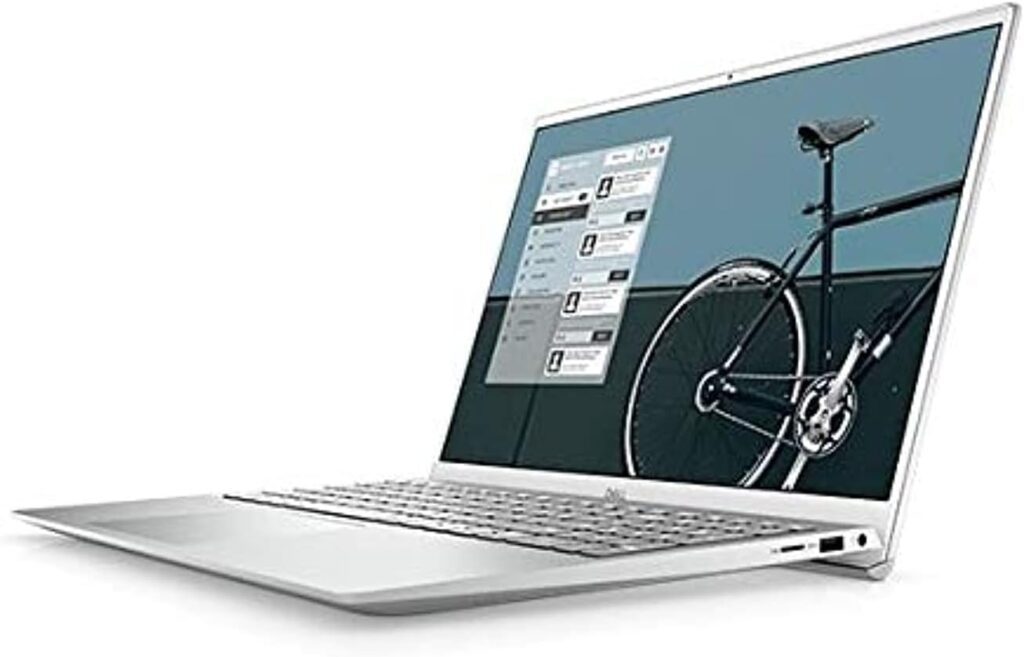
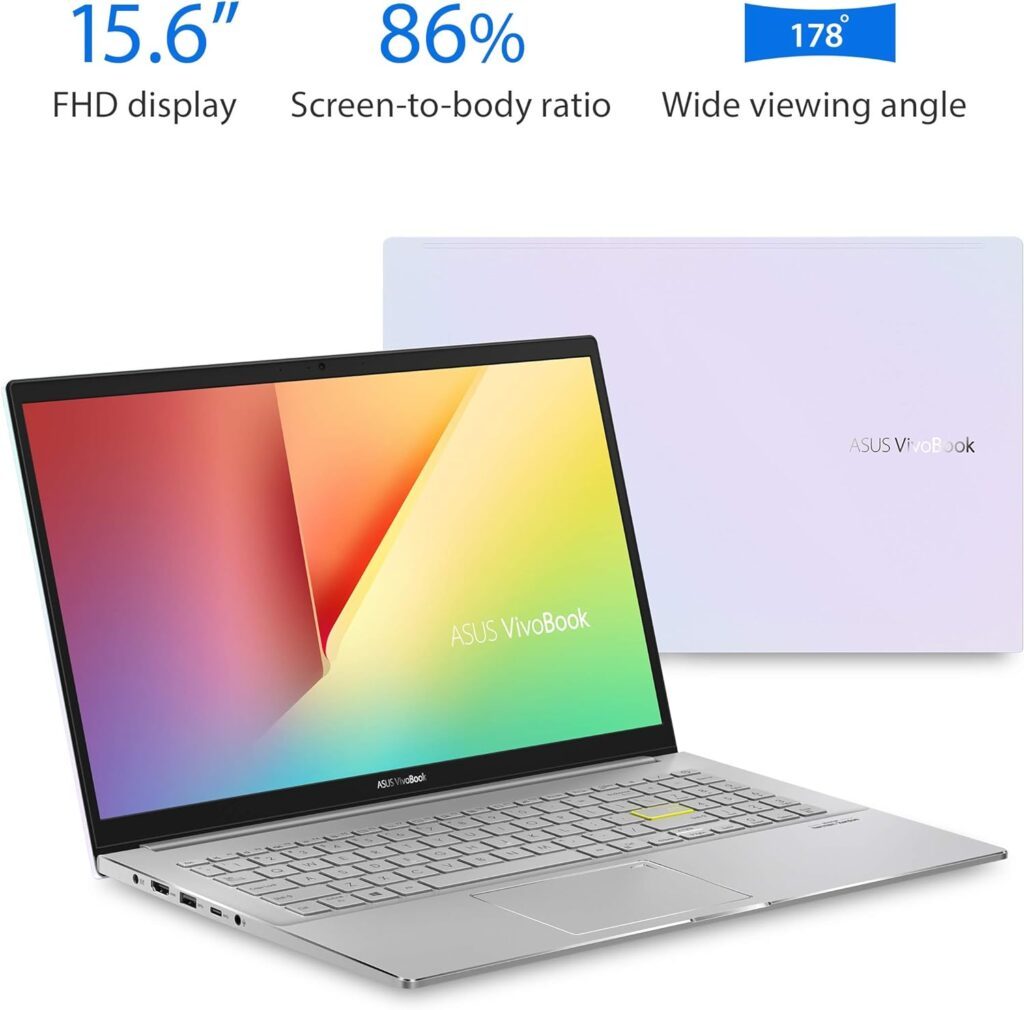
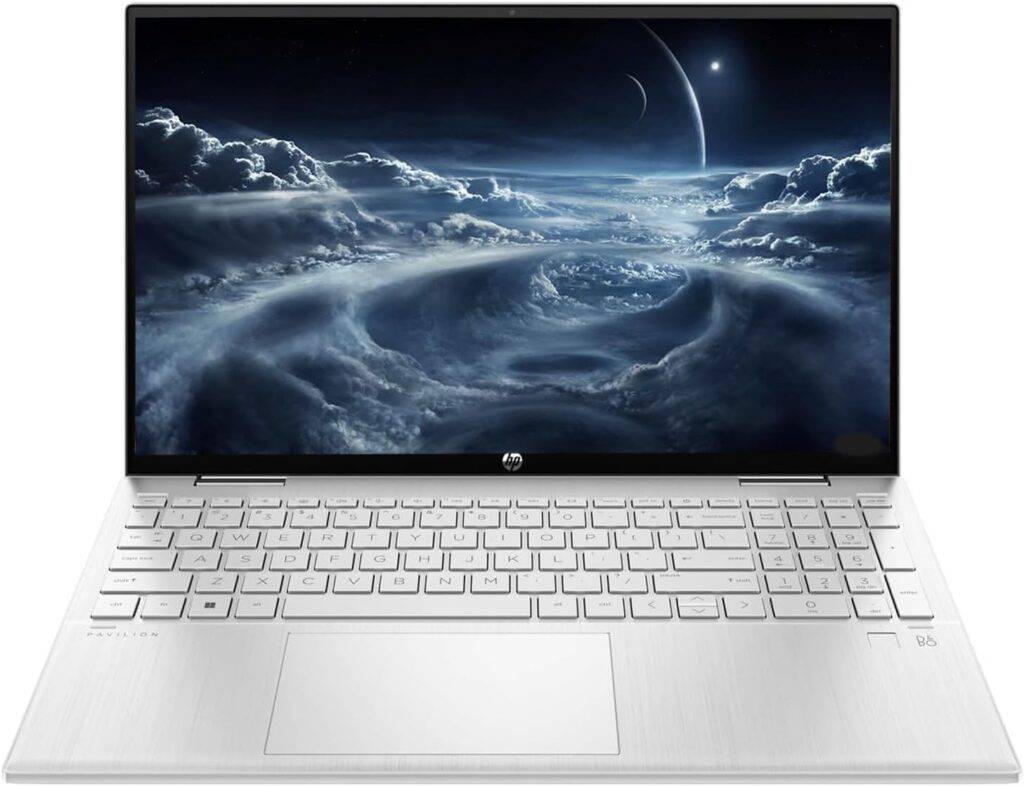
In today's digital age, having a reliable laptop is essential for work, school, or leisure. However, with so many options on the market, finding the best laptop under $1000 can be challenging. This guide will help you navigate through the specifications and features to consider when purchasing a budget-friendly laptop, as well as provide a list of the best laptops currently available in this price range.
Factors to Consider When Buying a Laptop Under 1000 dollar
Performance
When looking for a laptop under $1000, you'll want to ensure it has enough power to handle your daily tasks. Look for laptops with at least an Intel Core i5 or AMD Ryzen 5 processor, as these offer a good balance of performance and affordability.
Display
The display is another crucial factor to consider. Look for laptops with a Full HD (1920 x 1080) resolution for crisp and clear images. Additionally, consider the size of the display; a 14-inch or 15.6-inch screen is ideal for most users.
Storage
Storage space is essential for storing your files, documents, and multimedia. Look for laptops with at least 256GB of SSD storage, as SSDs are faster and more reliable than traditional hard drives.
Battery Life
For users on the go, battery life is crucial. Look for laptops that offer at least 8 hours of battery life on a single charge, so you can work or play without constantly searching for a power outlet.
Design and Build Quality
While budget laptops may not offer the same premium build quality as more expensive models, it's essential to choose a laptop that feels sturdy and well-built. Look for laptops with a solid chassis and comfortable keyboard and trackpad.
Finding the best laptop under $1000 doesn't have to be a daunting task. By considering the factors mentioned above and exploring the options available, you can find a budget-friendly laptop that meets your needs and exceeds your expectations. Whether you need a laptop for work, school, or entertainment, there are plenty of great options available at this price point.
FAQs
Can I upgrade the RAM on a laptop under $1000?
Yes, many laptops under $1000 allow you to upgrade the RAM to improve performance.
Are laptops under $1000 good for gaming?
While budget laptops may not offer the same gaming performance as high-end models, there are several options under $1000 that can handle casual gaming.
Do laptops under $1000 come with a warranty?
Yes, most laptops under $1000 come with a standard manufacturer's warranty, typically covering hardware defects for a certain period.
Can I connect a second monitor to a laptop under $1000?
Yes, most laptops under $1000 come with multiple ports, including HDMI or DisplayPort, allowing you to connect a second monitor.
Do laptops under $1000 come with pre-installed software?
Yes, most laptops under $1000 come with pre-installed software, including the operating system and basic applications.
Samsung S23: A Comprehensive Review of the Latest Smartphone
The Samsung S23 is the latest offering from Samsung, promising top-notch features and performance. In this article, we delve into the various aspects of this smartphone to help you decide if it's the right choice for you.
Specifications of Samsung S23
The Samsung S23 comes with a powerful processor, ample RAM, and generous storage options. It runs on the latest version of Android, ensuring smooth performance and excellent multitasking capabilities.
Design and Build Quality
Samsung has always been known for its sleek and stylish designs, and the S23 is no exception. The phone features a premium glass and metal construction, giving it a premium look and feel.
Display Features
The Samsung S23 boasts a stunning AMOLED display with vibrant colors and deep blacks. The display is also HDR10+ certified, ensuring an immersive viewing experience when watching movies or playing games.
Camera Quality
The Samsung S23 comes equipped with a versatile camera setup, including a high-resolution main camera, an ultra-wide camera, and a depth sensor. The cameras perform well in various lighting conditions, capturing detailed and sharp images.
Performance and Battery Life
With its powerful processor and ample RAM, the Samsung S23 offers smooth performance even when running demanding apps and games. The phone also comes with a large battery that provides excellent battery life, ensuring you stay connected all day long.
Software and User Interface
The Samsung S23 runs on the latest version of Samsung's One UI, which is known for its clean and user-friendly interface. The software is also highly customizable, allowing you to personalize your phone to suit your preferences.
Connectivity Options
The Samsung S23 comes with a wide range of connectivity options, including 5G support, Bluetooth 5.1, NFC, and USB Type-C. The phone also supports wireless charging, making it convenient to charge your phone on the go.
Price and Availability
The Samsung S23 is priced competitively, making it an attractive option for those looking for a high-end smartphone without breaking the bank. The phone is available in select markets and can be purchased from authorized retailers or online stores.
Comparison with Competitors
When compared to its competitors, the Samsung S23 stands out for its premium design, stunning display, and excellent camera quality. It offers a great value for money proposition, making it a worthy contender in the smartphone market.
Pros and Cons
Pros:
Premium design and build quality
Stunning AMOLED display
Excellent camera performance
Smooth performance and good battery life
Cons:
Limited availability in some markets
Price may be a bit high for some consumers
User Reviews
Users who have purchased the Samsung S23 have praised its premium design, stunning display, and excellent camera performance. However, some users have reported issues with limited availability in certain markets.
Conclusion
In conclusion, the Samsung S23 is a top-notch smartphone that offers a great value for money proposition. With its premium design, stunning display, and excellent camera performance, it's definitely worth considering if you're in the market for a new smartphone.
FAQs
Is the Samsung S23 waterproof?
Yes, the Samsung S23 is IP68 certified, making it waterproof and dustproof.
Does the Samsung S23 support wireless charging?
Yes, the Samsung S23 supports wireless charging for added convenience.
What is the battery capacity of the Samsung S23?
The Samsung S23 comes with a large battery capacity of XXXX mAh, ensuring long-lasting battery life.
Does the Samsung S23 support 5G connectivity?
Yes, the Samsung S23 supports 5G connectivity for fast and reliable internet speeds.
Is the Samsung S23 available in different colors?
Yes, the Samsung S23 is available in a range of colors to suit your style.
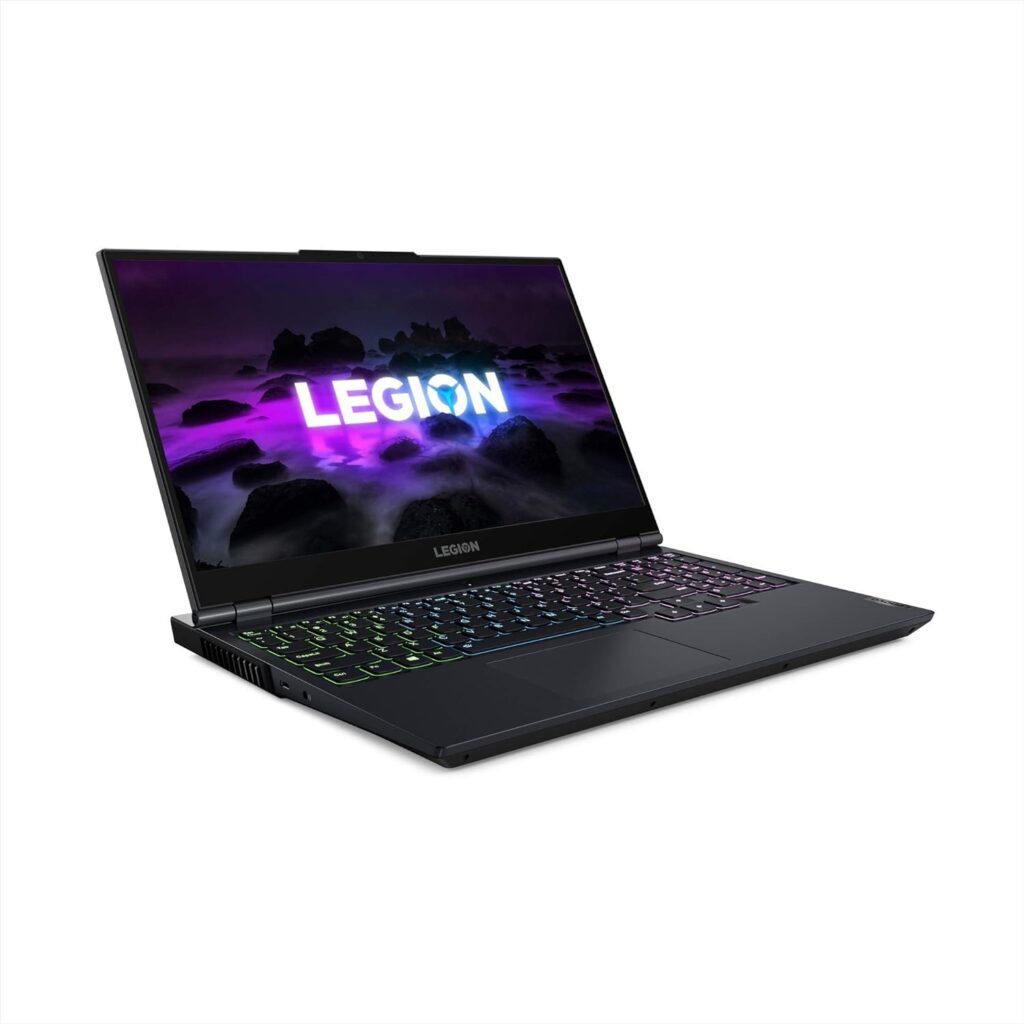
Playing games on a laptop can be an immersive experience, provided you have the right hardware. The best laptops for gaming offer powerful processors, high-quality graphics cards, ample RAM, fast storage options, and vibrant displays. In this article, we'll explore the key factors to consider when choosing a gaming laptop and highlight some of the top options available in the market.
Factors to Consider When Choosing a Gaming Laptop
Processor
The processor is the heart of any computer, and for gaming, you'll want a laptop with a powerful CPU. Look for laptops that feature Intel Core i7 or AMD Ryzen 7 processors, as they offer excellent performance for gaming.
Graphics Card
The graphics card, or GPU, is crucial for gaming performance. NVIDIA GeForce RTX or AMD Radeon RX GPUs are ideal for gaming laptops, as they deliver smooth graphics and high frame rates.
RAM
Random Access Memory (RAM) is essential for multitasking and gaming. Look for laptops with at least 16GB of RAM, as this will ensure smooth gameplay and seamless multitasking.
Storage
Fast storage options, such as SSDs, are ideal for gaming laptops. SSDs offer quick load times and improved overall performance compared to traditional hard drives.
Display
A high-quality display is essential for an immersive gaming experience. Look for laptops with high refresh rates (e.g., 144Hz or higher) and vibrant colors for the best gaming visuals.
Cooling System
Gaming laptops can generate a lot of heat, so it's essential to have a robust cooling system. Look for laptops with efficient cooling solutions to prevent overheating during long gaming sessions.
Battery Life
While gaming laptops are not known for their battery life, it's still essential to consider how long the battery will last on a single charge. Look for laptops with decent battery life, especially if you plan to game on the go.
Top Gaming Laptops on the Market
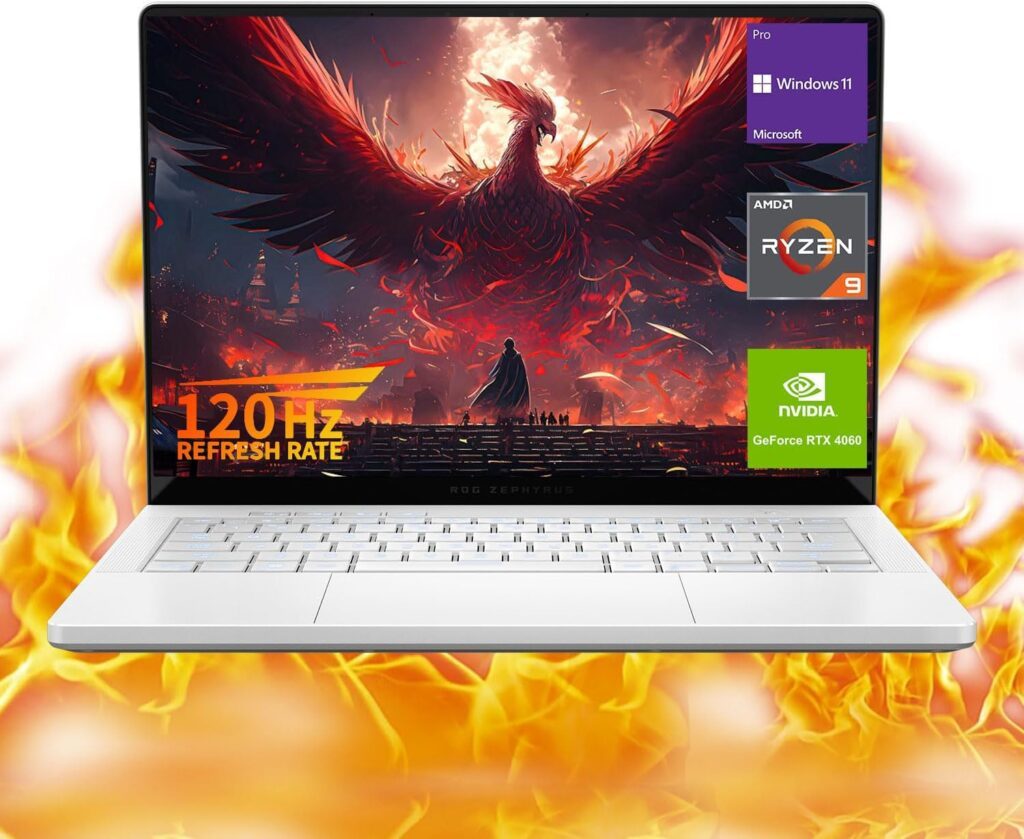
ASUS ROG Zephyrus G14
The ASUS ROG Zephyrus G14 is a powerhouse gaming laptop that features an AMD Ryzen 9 processor and NVIDIA GeForce RTX 3060 GPU. It also boasts a high-quality display and a sleek design.
The Alienware m15 R4 is another top gaming laptop that offers excellent performance. It features an Intel Core i7 processor and NVIDIA GeForce RTX 3080 GPU, along with a stunning display and customizable RGB lighting.
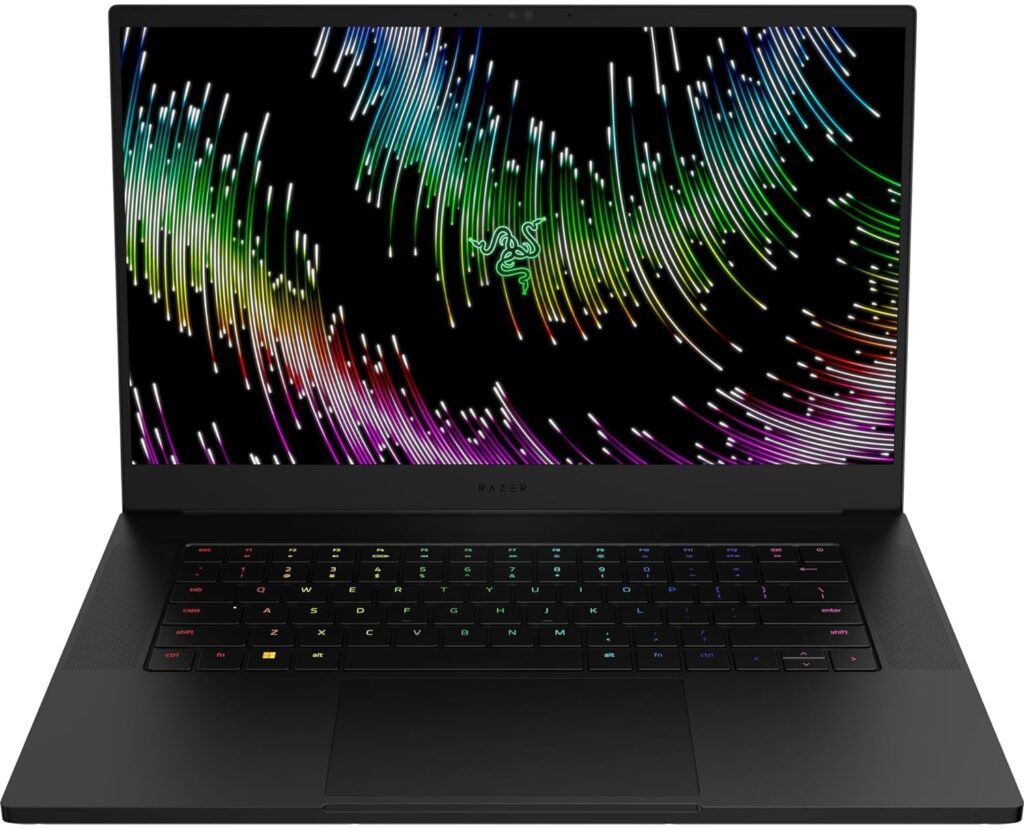
The Razer Blade 15 is known for its sleek design and powerful performance. It features an Intel Core i7 processor and NVIDIA GeForce RTX 3070 GPU, along with a high-refresh-rate display for smooth gaming.
Brand
Razer
Model Name
Blade
Screen Size
15 Inches
Color
Black
Hard Disk Size
1 TB
CPU Model
Core i7
Ram Memory Installed Size
16 GB
Operating System
Windows 11 Home
Special Feature
CNC Aluminum, Chroma RGB, Thunderbolt 4, Windows 11
Graphics Card Description
RTX 4060
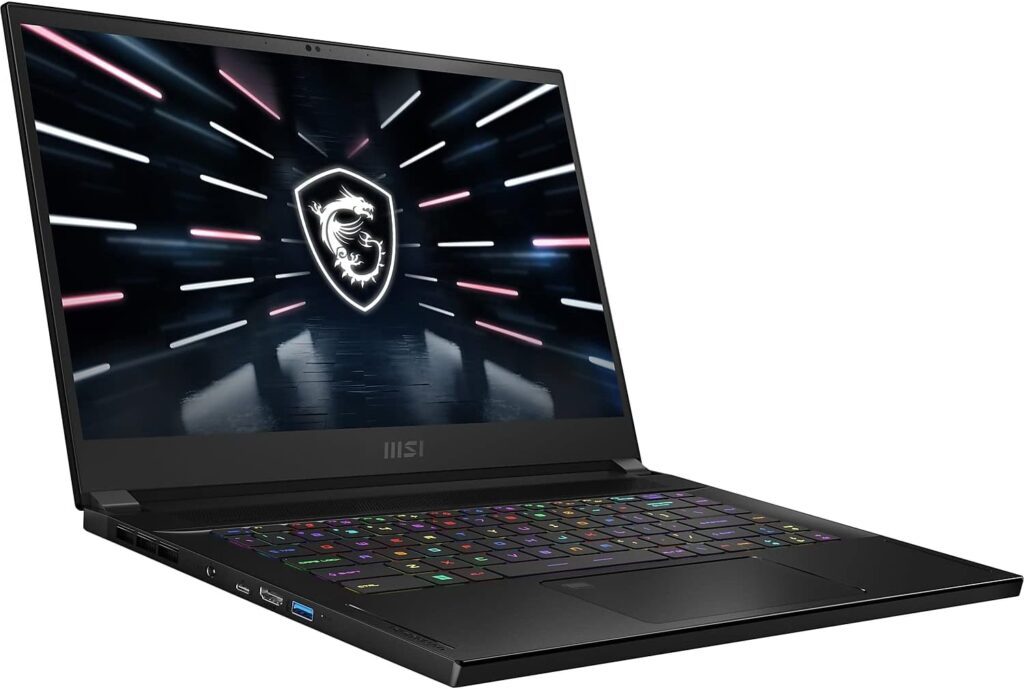
MSI GS66 Stealth
The MSI GS66 Stealth is a thin and light gaming laptop that doesn't compromise on performance. It features an Intel Core i7 processor and NVIDIA GeForce RTX 3060 GPU, along with a high-quality display and long battery life.
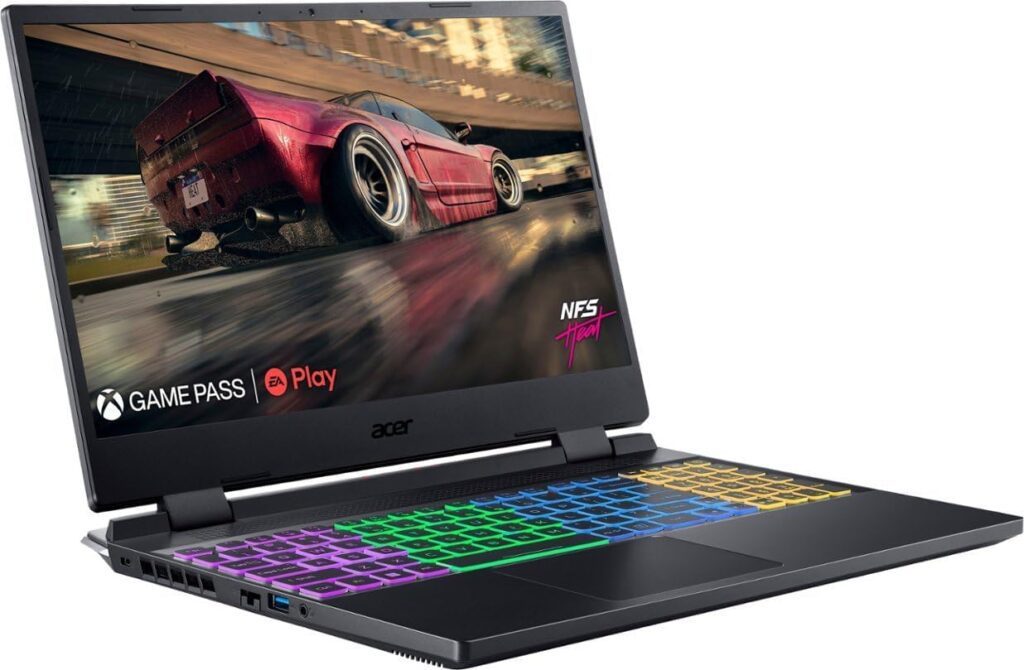
The Acer Nitro 5 is a budget-friendly gaming laptop that offers solid performance. It features an AMD Ryzen 5 processor and NVIDIA GeForce GTX 1650 GPU, along with a decent display and ample storage.
The Lenovo Legion 5i is another affordable gaming laptop that delivers excellent performance. It features an Intel Core i5 processor and NVIDIA GeForce GTX 1660 Ti GPU, along with a high-refresh-rate display for smooth gaming.
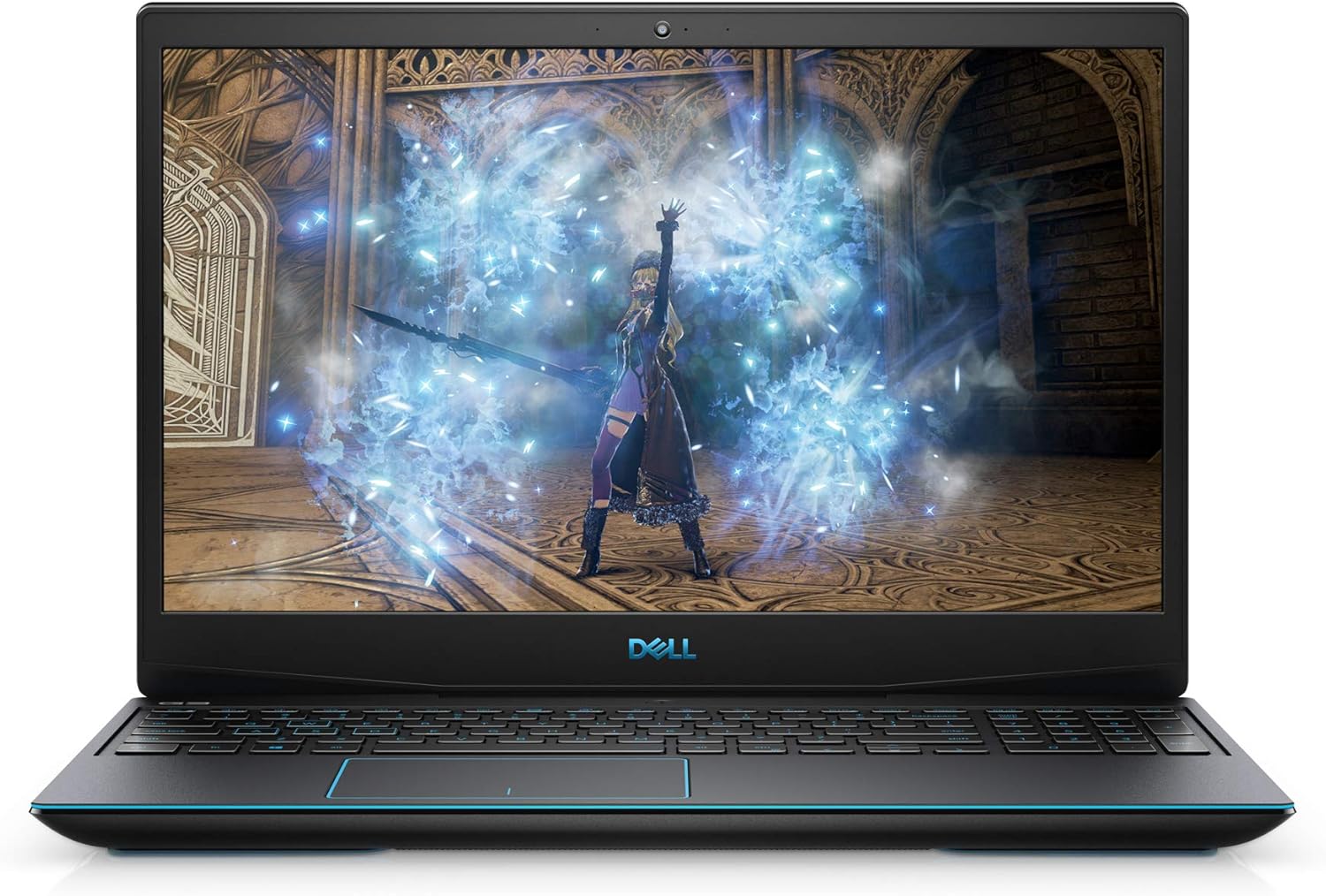
The Dell G3 15 is a budget-friendly gaming laptop that offers decent performance for its price. It features an Intel Core i5 processor and NVIDIA GeForce GTX 1650 GPU, along with a decent display and good battery life.
Choosing the best laptop for playing games depends on your budget and gaming needs. Whether you're looking for a high-end gaming laptop with all the bells and whistles or a budget-friendly option that still delivers decent performance, there are plenty of great laptops to choose from. Consider the factors mentioned in this article, and you're sure to find a gaming laptop that suits your needs.
FAQs
What is the best gaming laptop for under $1000?
The Acer Nitro 5 and Lenovo Legion 5i are both excellent gaming laptops available for under $1000, offering solid performance and good value for money.
Do gaming laptops overheat easily?
Gaming laptops can generate a lot of heat, especially during intense gaming sessions. However, many modern gaming laptops come equipped with efficient cooling systems to help prevent overheating.
How much RAM do I need for gaming?
For gaming, it's recommended to have at least 16GB of RAM to ensure smooth gameplay and multitasking.
Are gaming laptops good for everyday use?
Yes, gaming laptops can be used for everyday tasks like web browsing, streaming, and productivity work. However, they are typically heavier and bulkier than traditional laptops.
Can I upgrade the graphics card in a gaming laptop?
In most cases, the graphics card in a gaming laptop cannot be upgraded. It's essential to choose a laptop with a graphics card that meets your current and future gaming needs.
iPhone 15 Pro Max: The Ultimate Smartphone Experienc
In the ever-evolving world of smartphones, Apple continues to set the bar high with its latest release, the iPhone 15 Pro Max. Packed with innovative features and cutting-edge technology, this device promises to deliver an unparalleled user experience.
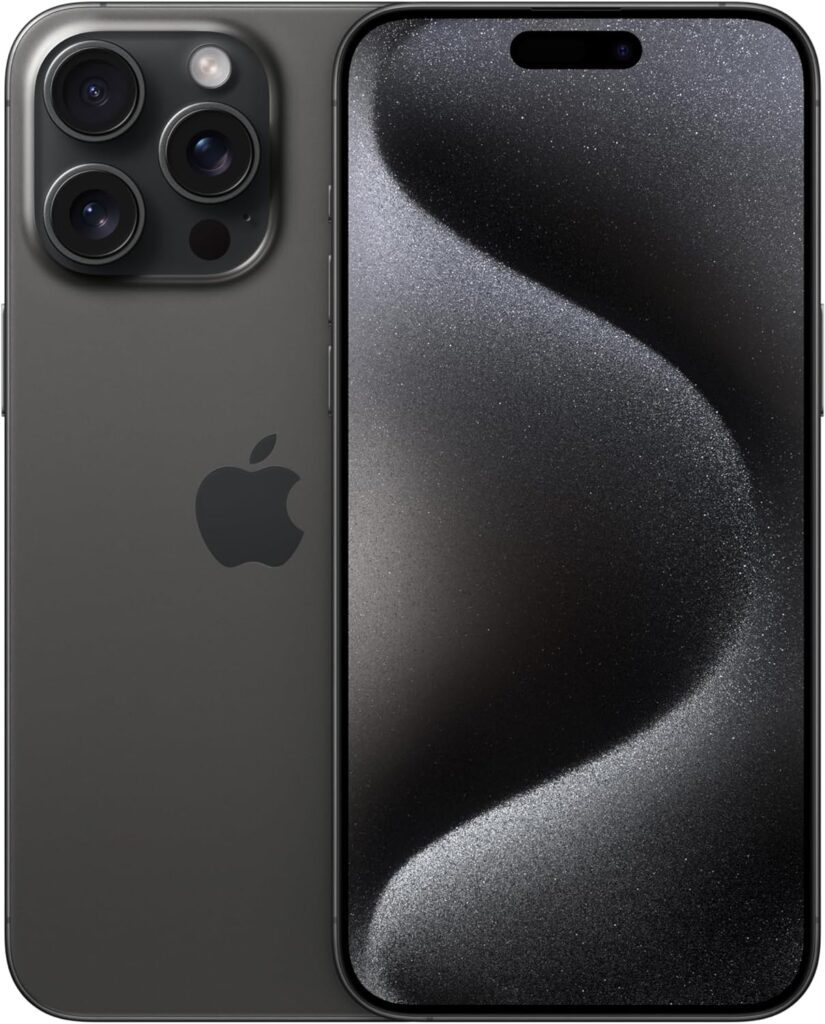
The iPhone 15 Pro Max boasts a stunning design, featuring a sleek and slim profile. The device is available in a range of vibrant colors, allowing users to choose a model that suits their style. The display is equally impressive, with a large OLED screen that offers vivid colors and sharp detail. The Pro Max also features an improved refresh rate, making scrolling and animations smoother than ever before.
Camera Upgrades
Apple has always been known for its exceptional camera quality, and the iPhone 15 Pro Max is no exception. The device features a triple-lens camera system, with enhanced low-light performance and improved image stabilization. The Pro Max also introduces new AI-powered features, such as Smart HDR and Night Mode, which ensure that every photo and video looks stunning.
Performance and Battery Life
Powered by Apple's latest A15 Bionic chip, the iPhone 15 Pro Max delivers unmatched performance. The device is incredibly fast and responsive, allowing users to multitask with ease. The Pro Max also boasts impressive battery life, with up to 20 hours of talk time on a single charge. Whether you're streaming videos or playing games, the Pro Max can keep up with your busy lifestyle.
Software and Updates
One of the key advantages of owning an iPhone is the regular software updates provided by Apple. The iPhone 15 Pro Max comes pre-installed with the latest version of iOS, ensuring that users have access to the newest features and security patches. With Apple's commitment to long-term support, the Pro Max is sure to remain up-to-date for years to come.
Comparison with Previous Models
Compared to its predecessors, the iPhone 15 Pro Max offers several significant upgrades. The device features a larger display, improved camera capabilities, and faster performance. Additionally, the Pro Max introduces new features such as reverse wireless charging and improved water resistance, making it the most advanced iPhone yet.
Pricing and Availability
The iPhone 15 Pro Max is available at a starting price of $1099, making it a premium device. However, considering the advanced features and cutting-edge technology it offers, the Pro Max is a worthwhile investment for those looking for the best smartphone experience.
User Reviews and Feedback
Initial reviews of the iPhone 15 Pro Max have been overwhelmingly positive, with users praising its performance, camera quality, and battery life. Many users also appreciate the device's sleek design and vibrant display. Overall, the Pro Max has received high marks for its innovative features and exceptional user experience.
Conclusion
In conclusion, the iPhone 15 Pro Max is a game-changer in the world of smartphones. With its stunning design, advanced camera capabilities, and unmatched performance, the Pro Max sets a new standard for what a smartphone can be. Whether you're a tech enthusiast or just looking for a reliable device, the iPhone 15 Pro Max is sure to impress.
Yes, the iPhone 15 Pro Max offers advanced features and cutting-edge technology, making it a worthwhile investment for those looking for the best smartphone experience.
How does the camera quality of the iPhone 15 Pro Max compare to other smartphones?
The iPhone 15 Pro Max features a triple-lens camera system with enhanced low-light performance and improved image stabilization, making it one of the best smartphone cameras on the market.
Does the iPhone 15 Pro Max support 5G connectivity?
Yes, the iPhone 15 Pro Max supports 5G connectivity, allowing for faster download and upload speeds.
What colors is the iPhone 15 Pro Max available in?
The iPhone 15 Pro Max is available in a range of vibrant colors, including blue, gold, silver, and graphite.
Can the battery of the iPhone 15 Pro Max be replaced?
The battery of the iPhone 15 Pro Max is not user-replaceable. However, Apple offers battery replacement services for a fee.